
Choosing clothes for children is not simply about finding attractive colors or cute prints. Parents also have to think about comfort, fabric quality, sizing, stitching, durability, price, and how well a garment fits a child's everyday routine. With so many pakistani kids clothing brands available, comparing them carefully can make shopping much easier and help parents avoid purchases that look good online but disappoint after delivery. 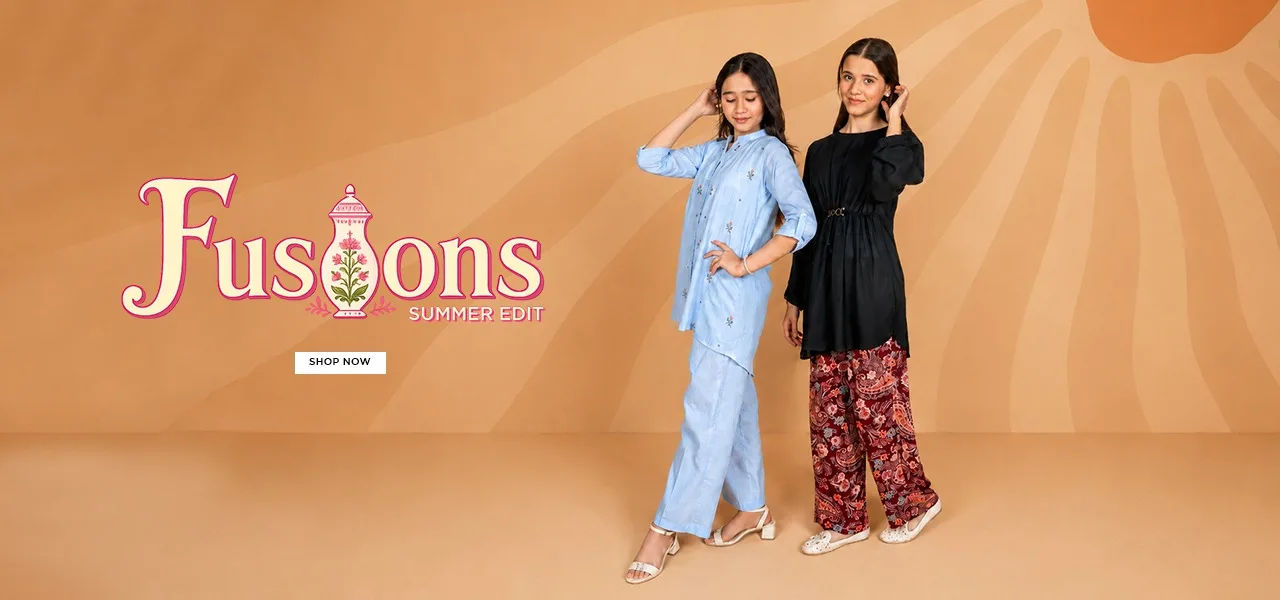 Children are active, and their clothes usually experience more wear than adult clothing. A shirt may be pulled, washed repeatedly, stained during a meal, or worn during outdoor play within the same week.
This makes quality especially important when comparing pakistani kids clothing brands. A low-priced outfit may not always be the better deal if it loses its shape or color after a few washes.
The best comparison method is to look beyond the appearance of a product. A useful comparison considers what the child actually needs, how frequently the clothing will be worn, and whether the price matches the quality being offered. Once these factors are separated, it becomes much easier to understand which options are suitable for everyday wear, special occasions, school, holidays, or seasonal use.
Start With Fabric Quality
Fabric should be one of the first things parents examine when comparing children's clothing. A beautiful design cannot compensate for material that feels uncomfortable or causes excessive sweating.
Cotton is often a practical choice for warm weather because it tends to be comfortable and breathable. Lightweight cotton can work well for everyday shirts, dresses, trousers, and traditional outfits.
For winter clothing, parents may look for thicker cotton, fleece, wool blends, or other warmer materials. The important point is to match the fabric to the season rather than choosing a material simply because it looks fashionable.
Check the Fabric Description
When shopping online, read the product description carefully. Look for information about the material, lining, finishing, and care instructions.
If a listing gives very little information about the fabric, comparison becomes more difficult. A detailed description gives parents a better idea of what they are actually purchasing.
It is also useful to consider the child's sensitivity to different materials. Some children are comfortable in almost anything, while others may dislike rough textures, stiff fabrics, tight elastic, or synthetic materials.
Consider the Climate
Pakistan has significant seasonal differences, and clothing needs can vary from one region to another. A fabric that works well during a mild winter may feel uncomfortable during a hot summer.
For summer clothing, breathability and lightness are particularly important. For winter, warmth and layering become more relevant.
This is why comparing pakistani kids clothing brands without considering the season can produce misleading results. The same brand may have excellent summer pieces but a different level of quality across its winter collection.
Compare Sizing Carefully
Children grow quickly, which makes sizing one of the most important parts of clothing shopping.
Do not assume that the same age label will fit identically across every brand. A size described as suitable for a six-year-old by one company may have different measurements from a similar size offered by another.
Use Measurements Instead of Age Alone
Age-based sizing is convenient, but measurements are usually more useful.
Check the available size chart for chest, waist, shoulder, length, sleeve length, and trouser measurements where applicable. Compare those numbers with clothing that already fits the child.
This is particularly important when buying online. A garment can have the correct age label and still be too narrow, too short, or excessively loose.
Think About Growth
Parents often have to decide whether to purchase the exact current size or leave some room for growth.
For everyday children's clothing, a little extra room can sometimes make a garment more useful. However, buying clothing that is dramatically oversized can affect comfort and appearance.
The right choice depends on the garment. A loose casual shirt may tolerate extra room, while formal clothing generally benefits from a more precise fit.
Examine Stitching and Construction
Two outfits can look almost identical in photographs while having very different construction quality.
Look closely at seams, hems, buttons, zippers, elastic, embroidery, and decorative attachments. These details can reveal how well a garment is likely to handle repeated use.
Inspect Seams
Strong and even stitching is an encouraging sign. Uneven seams, loose threads, or poorly finished edges deserve closer attention.
For children's trousers and shirts, areas exposed to frequent movement need particularly good construction. Seams around the shoulders, waist, pockets, and crotch can experience considerable stress.
Parents comparing pakistani kids clothing brands should therefore examine close-up product photographs whenever available rather than relying entirely on the main product image.
Check Buttons and Decorations
Decorative elements can make children's clothing more attractive, but they should also be securely attached.
For younger children, parents should pay special attention to small detachable components. Clothing should be appropriate for the child's age and supervision needs.
Compare Comfort, Not Just Appearance
Children do not always care whether an outfit looks fashionable. They usually care whether they can move, sit, play, and relax comfortably.
A garment may photograph beautifully but be impractical for an active child if it is too stiff, restrictive, heavy, or complicated to wear.
Consider necklines, waistbands, sleeve openings, trouser cuts, and the overall shape of the garment.
Think About Daily Activities
A child who spends much of the day playing needs different clothing from a child wearing an outfit for a wedding.
For school or everyday use, comfort and durability may deserve greater attention. For a formal event, appearance and finishing may become more important.
This does not mean parents have to choose between comfort and style. Many well-designed children's clothes can provide both when the garment is selected for the right purpose.
Compare Design and Style
Design is naturally an important factor, especially when children have their own preferences.
Different pakistani kids clothing brands may focus on different styles. Some may emphasize traditional clothing, while others may offer contemporary casualwear, festive collections, coordinated sets, or Western-inspired designs.
Traditional Clothing
Shalwar kameez, kurtas, waistcoats, frocks, and other traditional outfits remain popular for celebrations and family events.
When comparing traditional clothing, examine embroidery, fabric weight, lining, stitching, and finishing. Decorative work should complement the garment rather than making it unnecessarily heavy for a child.
Casual Clothing
Casual clothes should generally be easy to wear and maintain.
T-shirts, jeans, trousers, casual dresses, cotton sets, and everyday separates are often purchased for repeated use. In this category, durability and washing performance can be more valuable than elaborate decoration.
Look at Washing and Maintenance Requirements
Children's clothing needs frequent washing. A garment that requires delicate care after every use may not be practical for everyday life.
Read the care instructions before purchasing.
Ask whether the garment can be machine washed, whether it needs cold water, whether ironing is required, and whether special care is recommended for embroidery or printed areas.
Test Color Durability
Color fading is a common concern with frequently washed clothing.
A bright outfit may look excellent when new but lose some of its appearance after repeated washing. While it is difficult to predict this perfectly from an online listing, customer reviews can sometimes provide useful clues.
Pay attention to reviews mentioning fading, shrinking, pilling, bleeding colors, or changes in texture.
Compare Durability
Durability is closely connected to value.
Parents should ask how many times they realistically expect the child to wear the garment. An expensive formal outfit worn twice has a different value calculation from a moderately priced shirt worn several times a month.
A useful way to think about durability is cost per wear.
For example, a more expensive outfit that remains attractive and comfortable after twenty uses may offer better practical value than a cheaper outfit that becomes unusable after three or four wears.
Consider Children's Activity Levels
Active children can be especially demanding on clothing.
Knees, elbows, waistbands, collars, and pockets may experience significant wear. If the clothing is intended for outdoor play, durability should receive considerable attention.
Parents should compare the construction of garments according to how they will actually be used rather than expecting every outfit to perform the same way.
Compare Prices Properly
Price is important, but the cheapest product is not automatically the best value.
When comparing pakistani kids clothing brands, look at what is included in the price. Consider fabric, construction, design complexity, finishing, packaging, delivery charges, and expected durability.
A basic cotton shirt and an embroidered festive outfit should not be compared solely by their prices because they serve different purposes.
Watch for Discounts
Discounts can make branded children's clothing considerably more affordable, but parents should avoid allowing the original price to influence their judgment too strongly.
A product is not necessarily a good purchase simply because it has a large percentage discount.
Compare the actual selling price with similar garments from other sellers and examine the specifications before deciding.
Read Customer Reviews Carefully
Customer reviews can provide information that product descriptions cannot.
Look for repeated comments rather than focusing on one extremely positive or negative review.
If several customers mention that a particular garment runs small, that is useful information. If many customers mention comfortable fabric and good washing performance, that may also help with comparison.
Separate Useful Reviews From General Opinions
Not every review provides meaningful information.
Comments such as "nice" or "beautiful" tell you very little about quality. More useful reviews explain whether the product matched the size chart, how the fabric felt, whether colors remained stable, or whether the garment survived multiple washes.
Photos uploaded by customers can also provide a more realistic impression of color, fit, and overall appearance.
Evaluate Return and Exchange Policies
A clothing brand can have attractive products but still create problems if its exchange policy is difficult to understand.
Before ordering, check the return period, exchange conditions, sale-item restrictions, required tags, refund method, and return shipping rules.
This is especially important for children's clothing because sizing mistakes are relatively common.
Check Delivery Information
Parents should also consider delivery times.
If clothing is needed for Eid, a birthday, a wedding, or a school event, ordering too close to the required date can create unnecessary stress.
Compare estimated delivery times and leave some extra time for exchanges when possible.
Compare Online Shopping Experience
The website or online store itself can tell you something about the shopping experience.
A useful clothing store should provide clear product photographs, descriptions, size charts, prices, and relevant care information.
Navigation also matters. Parents should be able to find age groups, categories, sizes, and seasonal collections without excessive difficulty.
For pakistani kids clothing brands, an organized online shopping experience can make comparison much easier because customers can evaluate several products without guessing important details.
Consider Occasion and Purpose
The right comparison depends heavily on why the clothing is being purchased.
For everyday use, prioritize comfort, durability, easy washing, and reasonable pricing.
For school, consider practicality, movement, and maintenance.
For Eid or weddings, parents may place more emphasis on embroidery, colors, traditional styling, and presentation.
For winter, warmth and layering matter.
For summer, breathable and lightweight fabrics become more important.
There is no single set of criteria that works perfectly for every clothing purchase.
Compare the Brand's Product Range
A broad product range can be useful for parents who regularly shop for children.
Look at whether a brand offers clothing for different ages and whether its sizing remains consistent across categories.
Some pakistani kids clothing brands may have particularly strong selections in certain categories, such as casualwear, traditional clothing, festive outfits, sleepwear, or seasonal collections.
The goal is not to assume that one company must be better at everything. Instead, compare the specific product category you need.
Consider Age-Appropriate Design
Children's clothing should be suitable for the child's age.
For younger children, easy closures, comfortable fabrics, and practical designs can make dressing simpler.
Older children may have stronger opinions about colors, cuts, prints, and styles.
Including children in the selection process can sometimes make shopping easier because they are more likely to wear clothes they genuinely like.
Create a Simple Comparison System
Parents do not need a complicated spreadsheet for every shopping trip.
A simple comparison can focus on six areas: fabric, fit, construction, comfort, price, and customer experience.
Give each product a brief note under these categories.
For example, one outfit may have excellent fabric but a complicated care routine. Another may be inexpensive and easy to wash but have less impressive construction.
Writing these differences down makes the decision more objective and reduces the temptation to choose something based only on photographs.
Avoid Comparing Only Brand Names
A common mistake is assuming that every product from a particular company will have exactly the same quality.
Clothing quality can vary between collections, materials, product categories, and price levels.
Instead of asking which brand is universally better, compare the actual garments you are considering.
This approach is especially useful when evaluating pakistani kids clothing brands, because different products can have different fabrics, construction methods, and intended uses.
Think About Long-Term Value
A child's wardrobe should be practical.
Buying several inexpensive outfits that are rarely worn can waste more money than purchasing a smaller number of comfortable, versatile garments.
Look for pieces that can work with other clothing already in the child's wardrobe.
Neutral trousers, simple shirts, versatile kurtas, comfortable dresses, and layering pieces can often be used in multiple combinations.
This makes the wardrobe more flexible and can reduce unnecessary purchases.
Common Mistakes Parents Should Avoid
One mistake is buying based entirely on photographs.
Another is ignoring the size chart because the child's age appears to match the listed size.
Some parents also overlook washing instructions or assume every children's garment can be treated the same way.
Another common mistake is paying attention to the discount percentage rather than the actual value of the product.
It is also easy to buy clothing for an imaginary occasion rather than the child's real lifestyle. A heavily decorated outfit may look wonderful but provide little value if the child rarely has an opportunity to wear it.
A Practical Checklist Before Buying
Before choosing between pakistani kids clothing brands, ask a few straightforward questions.
Is the fabric suitable for the season?
Does the size chart match the child's current measurements?
Will the child be comfortable moving in it?
Are the seams and closures properly finished?
Can the garment tolerate the amount of washing it will receive?
Is the price reasonable for the expected number of uses?
Are customer reviews consistent with the product description?
Can the item be exchanged if the size is wrong?
Will the delivery arrive before the clothing is needed?
If the answer to most of these questions is positive, the product deserves serious consideration.
Conclusion
Comparing children's clothing requires more than looking at attractive designs and price tags. Parents should examine fabric, sizing, construction, comfort, durability, maintenance, customer reviews, delivery, and exchange policies. These factors provide a much clearer picture of whether an outfit is genuinely suitable for a child.
The most useful approach to comparing pakistani kids clothing brands is to start with the child's needs. Consider age, activity level, season, occasion, preferred style, and how frequently the clothing will be washed. Then compare individual garments rather than assuming that an entire brand will perform identically across every collection.
Price should also be viewed in relation to value. A durable outfit that remains comfortable and attractive through repeated use can be more practical than a cheaper garment that quickly loses its shape or appearance.
Online shopping makes comparison easier when product descriptions, size charts, photographs, reviews, and policies are examined carefully. Instead of rushing toward the first attractive option, take a few minutes to compare the details.
Ultimately, good children's clothing should work in real life. It should allow children to move comfortably, survive ordinary wear, fit reasonably well, and suit the occasion for which it was purchased. When parents use these practical standards, comparing pakistani kids clothing brands becomes less about guessing and more about making a clear, informed choice.
