
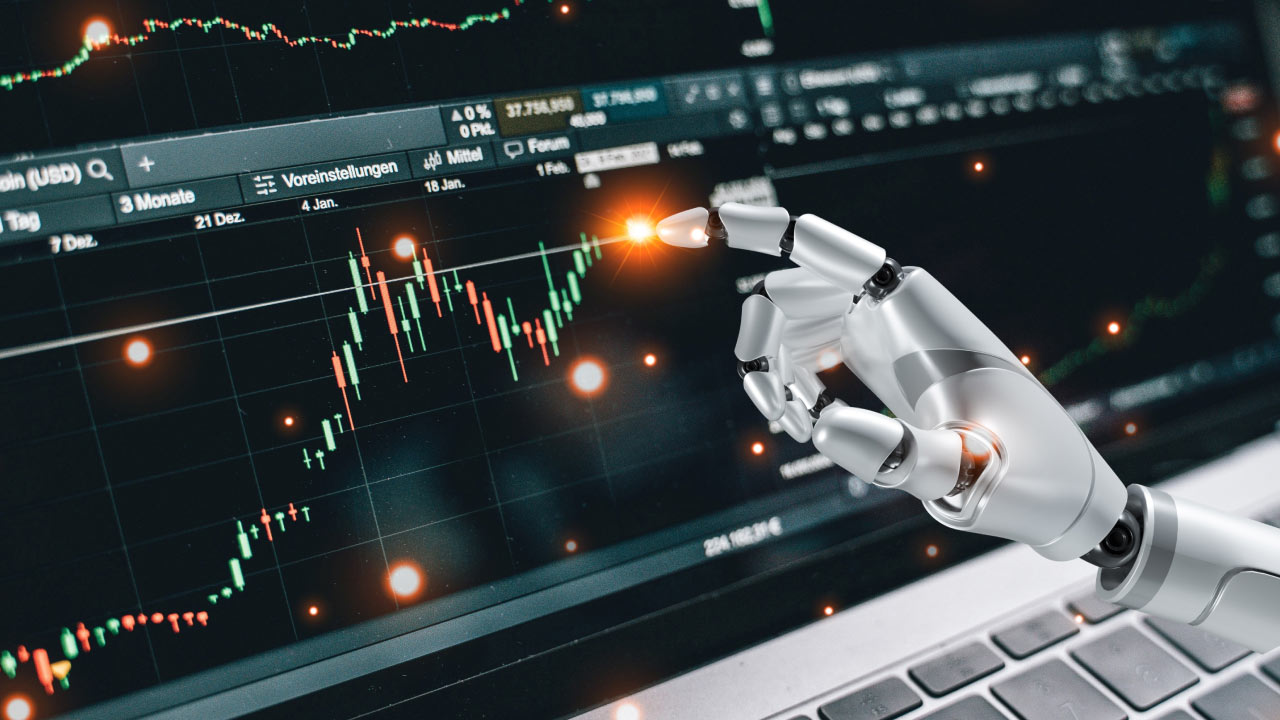
Futures trading is one of the most thrilling and possibly lucrative markets for novice traders. Yet, it is also a field that demands a lot from the trader, such as discipline, knowledge, and hands-on practice through real money. A beginner's best option is to start at the top paper trading platform, where he can learn the way futures contracts work, test his strategies, and get to know the market behavior without any financial risk. This article discusses the way to get into futures trading for newbies and the reason for selecting the best paper trading platform which might make the whole difference in your learning path.
Understanding Futures Trading for Beginners
Futures trading is about the buying and selling of contracts, which means the trader is committed to the swapping of an asset—e.g., commodities, stocks, or currencies—at a price and date agreed upon in advance. Futures trading is different from traditional stock trading in the sense that it allows the trader to gain from both up and down markets thus being versatile for speculation and hedging. Newbies might find it a bit tricky, but the bright aspect is that paper trading makes it a lot easier to grasp these concepts before entering the live markets.
Why Paper Trading Is Essential for Futures Beginners
Paper trading is also called simulated trading, which is a method that enables traders to practice futures trading using virtual money based on actual market data. Thus, when you paper trade, you can place orders, execute trades, employ strategies, and monitor your performance without losing any real money. For novice traders, it is a vital step towards mastering the future markets. It empowers you to understand the dynamics of order execution, margin requirements, leverage control, and risk management all within a risk-free setting.
How to Choose the Best Paper Trading Platform
Your choice of the best paper trading platform can adjust your learning curve a lot. It would be best if you looked for a trading system that gives you real-time data, proper order simulation, and a friendly interface. Some of the leading platforms in paper trading for futures are MetaTrader 5 (MT5), NinjaTrader, and TradingView. Out of these, MT5 stands out as it not only has excellent charting tools but also supports algorithmic trading and has user-friendly design that makes transition from demo account to live trading very smooth for the novice.
Learning Steps in Futures Trading through a Paper Platform
If you are planning to trade in futures, the first step would be to open a demo or paper trading account with a trustworthy platform. After the registration process has been completed, select your initial virtual balance and the futures contracts you are going to make trades in, for instance, gold, crude oil, or stock indices. Next, examine how the market reacts throughout the different sessions and apply technical analysis tools like moving averages and RSI indicators. The purpose is to create a trading routine and experiment with different strategies to see which one matches your personality. Maintain a trading journal to document your choices and examine both winners and losers for learning purposes.
A Futures Trading Strategy
Any profitable futures trader has a tested strategy to back them up. Newbies should keep it simple and clear when they first approach trading methods. Trend-following strategies, for instance, are both easier to apply and understand since they concentrate on trading in the direction of the market's momentum. You can practice with different methods—such as breakout strategies, range trading, or mean reversion—without incurring losses. The important thing is to be consistent; utilize your paper account to cultivate the habit of setting stop-loss and take-profit levels.
Transitioning from Paper Trading to Live Futures Markets
After spending a significant amount of time on paper trading and being sure of your strategy and risk management, you can then shift to live trading with small positions. Micro futures contracts can be a good start as they require less capital and give you the chance to practice in real market conditions. It is essential to note that the different emotions like fear and greed can still affect your performance in live trading even if your results in paper trading are excellent. Use the skills you gained from your paper trading to keep practicing the traits of consistency and discipline.
The Advantages of Learning Futures Trading through a Paper Platform
Paper trading allows newbies to be adventurous with their trading and ultimately get a lesson through their mistakes. It imparts skills like patience, diligence, and smartness—the very skills that one would need in real trading. A paper trading platform that is the best one can do, simulates the very conditions of the market, thus allowing beginners to comprehend the factors, i.e., price shifts, the market depth and timing that one should consider to have an entry or exit point. Above all, it gives one the benefit of confidence making it sure that when one steps into trading with real money, he is already equipped for the turmoil and the fast-paced futures market.
In the end
However, futures trading for beginners doesn’t have to be a scary experience. Starting off with a paper trading platform that is of the highest quality will provide a perfect environment for you to train, be it in contracts, risk management, or trading strategy development. By using a risk-free environment, you are not only gaining but also experiencing the most valuable asset of confidence which is the actual key to being successful in futures trading in the long run. Regardless of whether you are trading in commodities, stock indices, or currencies, practicing the art of paper trading will at least make sure that you are always ready to take the right and disciplined decisions once you step into the live markets.
