
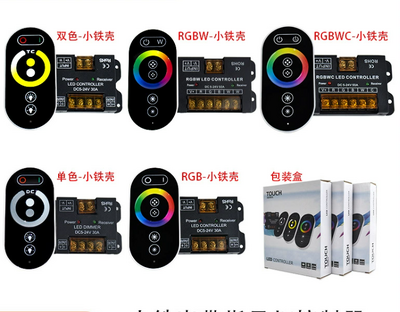
Lighting plays a crucial role in modern life, from home illumination to office environments and public spaces. In recent years, the demand for energy-efficient lighting solutions has increased significantly. Among the most popular energy-efficient lighting options available today, LED lighting stands out. LED, or Light Emitting Diode, is revolutionizing the way we light our spaces. This technology offers several advantages, with energy efficiency being one of the primary benefits. Understanding how LED lighting works and its impact on energy consumption is essential for anyone looking to reduce their energy bills and contribute to a more sustainable future LED Strip manufacturer.
What Is LED Lighting and How Does It Work?
LED lighting works by passing an electric current through a semiconductor material, which then emits light. This process is known as electroluminescence. Unlike traditional incandescent bulbs, which use a filament that heats up to produce light, LEDs do not require heat to generate illumination. This difference leads to a dramatic reduction in energy consumption. Traditional bulbs, such as incandescent and halogen, waste a significant amount of energy in the form of heat. In contrast, LED lights convert almost all of the energy they use into light, making them much more efficient. The result is a lighting option that consumes less power and generates less heat, reducing the load on cooling systems in homes and businesses.
Energy Efficiency of LED Lighting
One of the most significant advantages of LED lighting is its energy efficiency. LED lights consume up to 85% less energy than traditional incandescent bulbs. This remarkable reduction in energy use is due to the way LEDs generate light more effectively. For example, a 10-watt LED bulb can produce the same amount of light as a 60-watt incandescent bulb. This efficiency is especially beneficial in environments where lighting is required for extended periods, such as offices, schools, and street lighting. The reduced energy consumption of LEDs directly translates to lower electricity bills, which can add up to substantial savings over time.
In addition to consuming less energy, LED lights have a much longer lifespan than traditional lighting options. While an incandescent bulb may last for about 1,000 hours, an LED bulb can last up to 25,000 hours or more. This extended lifespan means fewer replacements and less waste, contributing to long-term cost savings and environmental benefits. Over time, the combination of reduced energy consumption and fewer replacements can result in significant financial savings, especially for businesses that use lighting on a large scale.
Environmental Benefits of LED Lighting
The environmental impact of energy use is a growing concern worldwide, and LED lighting offers substantial environmental benefits. The most notable advantage is the reduction in carbon emissions. Since LED lights consume less energy, they contribute to lower greenhouse gas emissions, which is crucial for combating climate change. By switching to LED lighting, households and businesses can reduce their carbon footprints, supporting efforts to create a more sustainable world.
LED lights also contain no hazardous materials such as mercury, which is found in fluorescent bulbs. This makes LED lights safer for both humans and the environment. Additionally, their long lifespan means fewer lights end up in landfills, reducing waste. As the world shifts towards more sustainable practices, adopting LED lighting is an easy and effective way to reduce environmental impact.
Cost Savings Over Time
While the initial cost of LED lighting may be higher than traditional lighting options, the long-term savings make it a more economical choice. The reduced energy consumption of LEDs leads to significant savings on electricity bills. In fact, switching from incandescent bulbs to LED lights can save homeowners and businesses hundreds of dollars annually. Furthermore, the longer lifespan of LED bulbs means fewer replacements, which further reduces costs. The combination of energy efficiency, durability, and lower maintenance costs makes LED lighting a smart financial investment for the future.
Many governments and utility companies also offer rebates and incentives for switching to energy-efficient lighting, making the initial investment in LED lighting more affordable. These incentives help offset the higher upfront cost of LEDs, allowing consumers to start saving money immediately.
Conclusion
LED lighting has revolutionized the way we illuminate our world, offering a powerful combination of energy efficiency, cost savings, and environmental benefits. By consuming significantly less energy than traditional lighting, LEDs reduce electricity bills and decrease carbon emissions. Their long lifespan and reduced need for replacements further contribute to savings and sustainability. While the initial investment may be higher, the long-term benefits make LED lighting an essential choice for anyone looking to reduce energy use and create a more sustainable future. The power of LED lighting is clear, and its role in energy efficiency will only continue to grow as more people and businesses adopt this technology.
