
The area of photonics has seen amazing developments, particularly in the development of various modulators that play essential functions in various optical applications. Among these, fiber acousto-optic modulators (AOMs) and their lots of variations, such as space AOMs and free-space AOMs, stand apart because of their convenience and effectiveness. An acousto-optic modulator utilizes sound waves to control the intensity, frequency, or stage of light going through a tool, providing an efficient approach for pulse modulation. With the expanding demand for high-resolution and precision applications, these devices have come to be essential in areas like telecommunications, medical imaging, and scientific research study.
These lasers create light with an exceedingly narrow spectral size, making them excellent for numerous detailed applications, consisting of coherent communication systems and high-resolution spectroscopy. This combination shows the trend towards raised compactness and efficacy in optical systems without sacrificing efficiency.
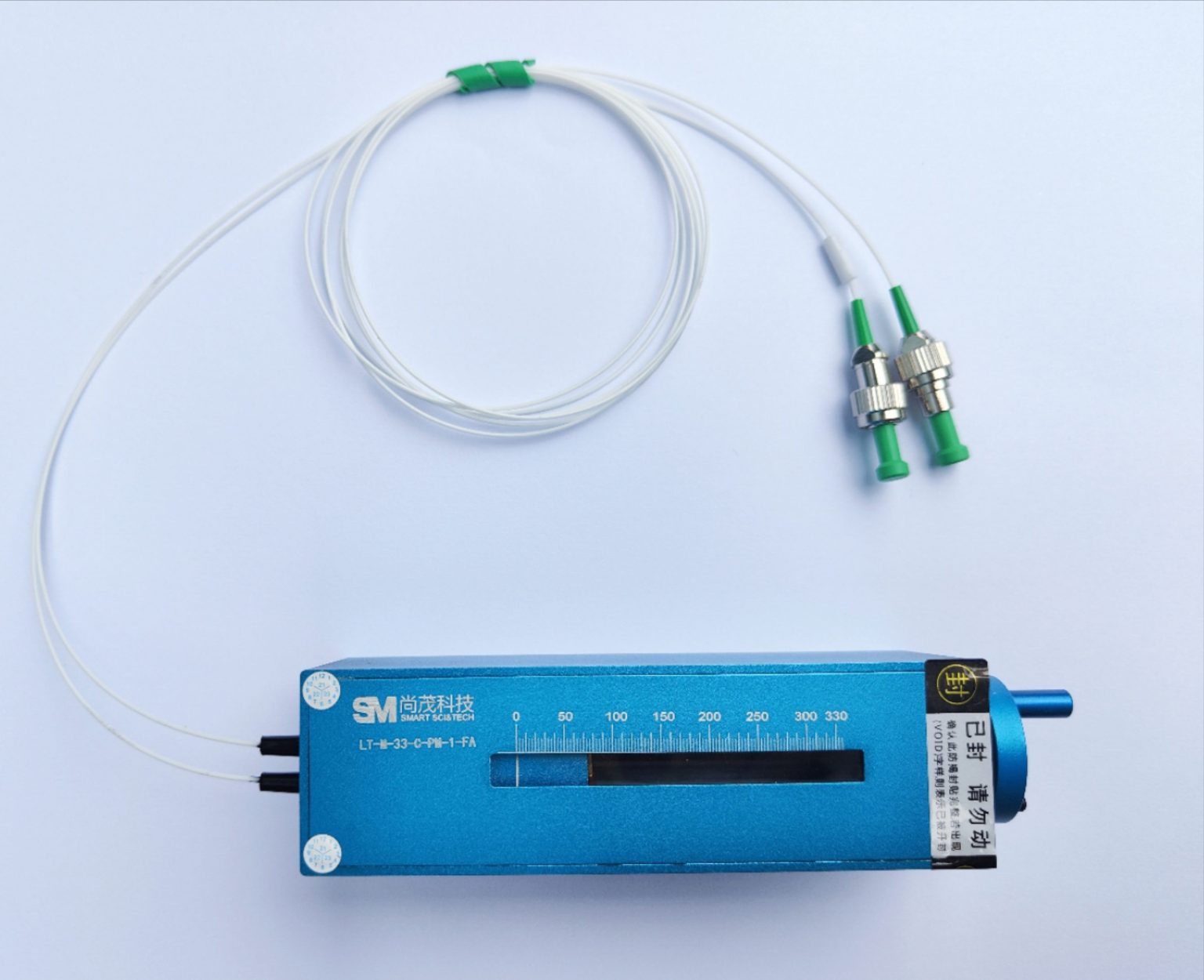
The utility of fiber optic delay lines can not be overemphasized, specifically in designing innovative optical systems that need specific timing and synchronization. These delay lines harness the integral properties of optical fibers to take care of light signals properly, allowing engineers and researchers to check out high-speed data transmission or intricate timing trying outs very little loss of fidelity. The electric fiber optics delay line functions as a main part in this context, promoting the manipulation of light signals to suit specific requirements.
Check out acousto optic switch the most recent improvements in photonics, concentrating on the important role of fiber acousto-optic modulators in improving laser applications, telecommunications, and precision optical systems for varied sectors.
Modulators are crucial in laser systems, playing a crucial function in changing continuous wave results right into pulse formats. Acousto-optic Q-switch modulators offer this specific purpose, allowing quick modulation of laser outputs, which results in high-peak power pulses. This ability is important in applications such as product processing, where accuracy and rate are crucial. The choice between an AOM and an electro-optic modulator (EOM) often emerges in conversations surrounding modulation techniques. While both offer the main feature of pulse modulation, an AOM commonly displays higher optical power managing abilities and faster switching times compared to EOMs, making AOMs especially valuable in high-energy laser applications.
Additionally, the distinction between acousto-optic switches and modulators is a crucial element of understanding just how these devices work in various scenarios. Acousto-optic switches successfully reroute light beam of lights, thus enabling different routing capabilities within optical systems. On the other hand, a modulator adjusts the light’s homes, directly affecting the beam of light’s attributes. This difference delineates their respective duties in laser systems and highlights the variety of applications each device deals with.
Acousto-optic devices have actually progressively gained traction on the market, driven by the rising demand for sophisticated optical technologies. The acousto-optic modulator market is observing substantial development because of applications in telecoms, army systems, and industrial production. These devices are important for frequency shifting, beam of light guiding, and signal processing. As technology evolves, firms are establishing cutting-edge services to address the needs for miniaturization, boosted performance, and cost-effectiveness.
Narrow linewidth fiber lasers display steady discharge with marginal spectral spread, catering to applications in fiber-optic interactions and picking up technologies. Coupling these fibers with advanced modulators enables scientists to check out brand-new frontiers in optical interaction systems.
Acoustic optical deflectors add to the adaptability of optical systems, providing a means to manipulate light dynamically and effectively by using acoustic waves as the managing mechanism. Such devices can be found in numerous applications, from laser scanning systems to innovative imaging methods. By making use of the concepts of acousto-optics, these deflectors assist in achieving accurate and rapid changes in the light beam’s trajectory without the need for complex mechanical components.
In checking out the sorts of pulse modulation, one understands the intricacies and selection fundamental in the field. Pulse modulation techniques, such as pulse-width modulation (PWM) and pulse-position modulation (PPM), allow adjustment of light based on exhaust to create differing signal types. These strategies foster improvements in electronic devices and photonics, from managing laser results to enhancing the efficiency of fiber optic systems.
More consideration of optical passive components discloses their crucial role in improving system integrity. These components, that include couplers, filters, and isolators, help with the company and monitoring of light within complicated optical configurations without the demand for energetic involvement. Their contribution to overall system efficiency is important, primarily when integrated with modulators and various other vibrant optical devices. Significantly, the smooth assimilation of passive and energetic components specifies the capability of modern photonic systems.
The expanding emphasis on space applications stresses the need for dependable and durable optical systems that can function successfully in extreme problems. Space acousto-optic modulators, specifically, fit the distinct requirements of space objectives, where aspects such as radiation direct exposure and temperature changes can dramatically influence functionality. The advancement of space-grade acousto-optic devices guarantees that communication and information collection stay nonstop in the rough settings of space.
Acousto-optic Q-switching stands for among the most efficient techniques of producing high-energy pulses, vital for applications varying from laser marking to medical treatments. The modulation capacities integral in AOMs permit them to adjust to varying needs, enhancing pulse duration and power outcome. Consequently, they offer an innovative path to elevate laser applications throughout varied areas.
As we dive even more into the future of photonics, it becomes increasingly clear that innovation in laser modulators and acousto-optic modern technologies is crucial. The improvements in modulator drivers enhance the performance with which AOMs and EOMs operate, allowing much faster and a lot more reliable efficiency. The crossover in between developments in modulation and the boosting need for higher transmission capacity and lower latency in interaction systems suggests a future abundant with opportunities for strengthened optical communications.
Recognizing the fundamental technicians that underpin acoustic optical modulators will lead to exceptional style and efficiency renovations as study remains to thrive. The exploration of new materials, integrations, and strategies in areas like micro-nano construction will likely generate devices with even finer control and prolonged functional life times. These improvements not just assure enhanced functionality for existing systems but welcome totally new applications within arising innovations in quantum computing, robotics, and progressed production.
In summary, the domain name of acousto-optic modulators and related fiber-optic technologies symbolizes fast progress and complexity, acting as fundamental aspects within several modern optical applications. With the expanding need for accuracy and high performance in various sectors, the growth of acousto-optic devices, such as fiber AOMs, remains to develop, adapting to new challenges and chances. As researchers and engineers push the boundaries of development, these devices will certainly continue to be main to forming the future of optical interaction, laser applications, and beyond, heralding a brand-new period of technical advancement.
